
Between the Booking and the Doorstep
The Business
A mid-size company operating across Vietnam, Cambodia and Thailand runs a genuinely mixed model. Thirty-five in-house drivers handle core linehaul and warehouse runs, while a network of more than 100 outsourced service providers cover local pickup, cross-border cartage and last-mile delivery in the markets where running an owned fleet doesn't make sense. Between the two, the business coordinates over 2,000 transport movements a month.
On paper, that's a well-run operation. Bookings, documentation, first and last mile collections and deliveries, invoicing and costs all sat on solid internal systems.
The Real Truth
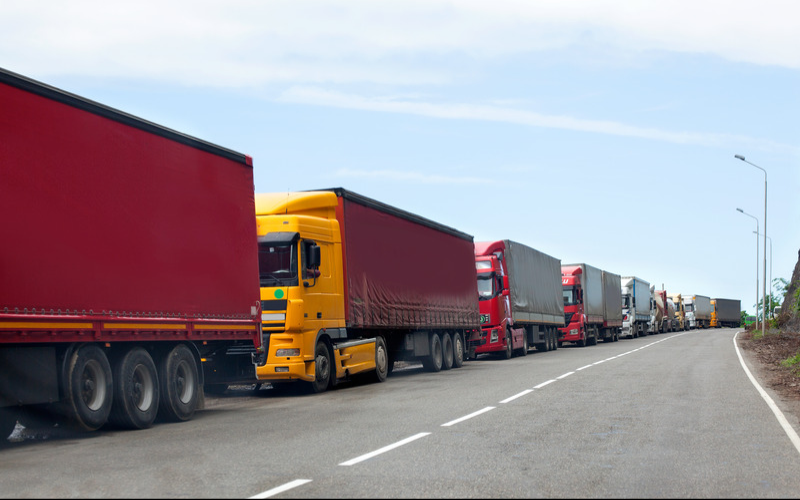
The visibility gap was enormous. The effects of that lack of visibility rippled through the company, showing up as higher staffing costs and reduced levels of customer service. The physical journey between a booking being made and a shipment landing at its destination was plagued by inefficiencies: emails, texts, SMS, WhatsApp, Excel sheets, multiple carriers, multiple drivers, multiple processes. The list went on.
That visibility gap didn't just affect day-to-day operations. Nobody could say with any confidence how one outsourced partner was performing against another, so partner reviews ran on relationships and anecdotes rather than data. Productivity across the 35-driver in-house fleet had no benchmark against the outsourced network, because the two sides reported on entirely different standards. And the first and last mile, the two legs of the journey where cargo changes hands and where damage, delay and disputes are most likely to start, were the least visible parts of the whole chain. Management reporting on a key area of the business was guesswork.
Everything else about the business was solid. Visibility on transport was the one piece that wasn't, and it was the piece that touched every shipment they moved.
Enter TCMS
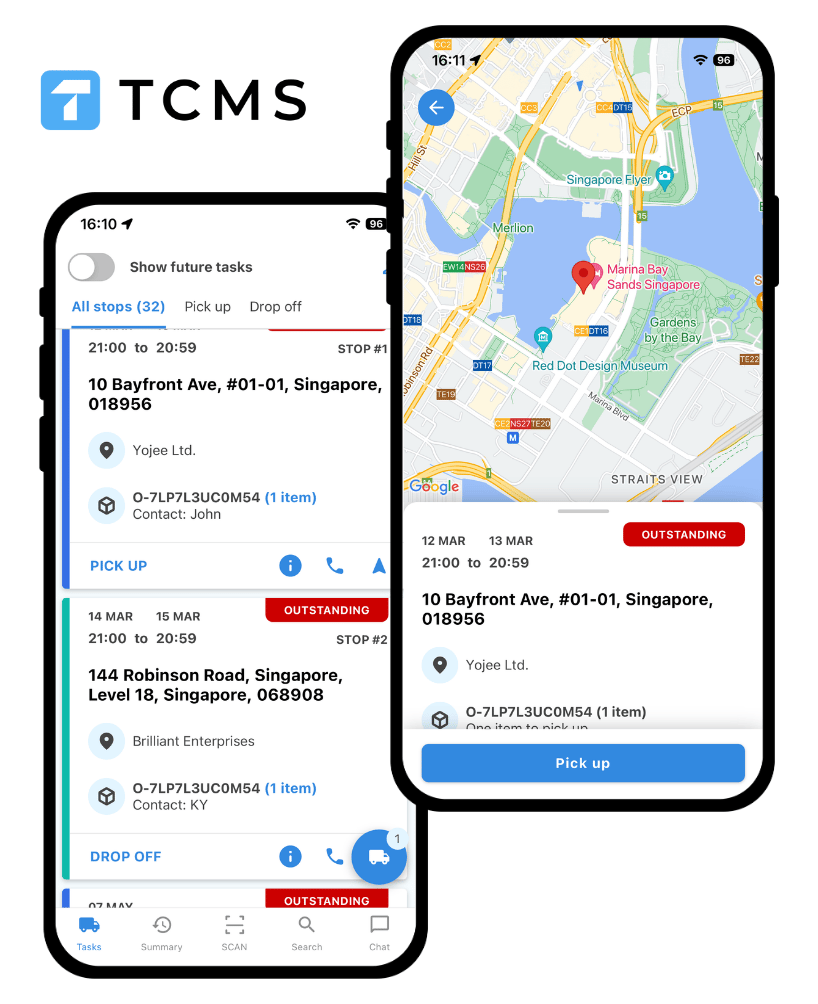
Rather than treating own drivers and outsourced partners as two separate operations running on multiple systems and processes, TCMS gave the company one platform to dispatch, track and capture proof of delivery across its entire transport network, regardless of whether it was an own driver or an outsourced provider. A job created in the system goes to an in-house driver or an outsourced partner through the same workflow, and comes back through the same reporting standard, regardless of whose truck made the run.
For the outsourced network, that meant giving partners without their own TMS a simple way to accept jobs and capture collection and delivery events through a driver app on their phone. Rather than reporting back by email, text, SMS, WhatsApp or Excel sheet after the fact, they could now provide information in real time. For outsourced partners already running their own TMS, TCMS connected directly through an EDI interface, so the partner didn't have to change how they operated, but the key milestones and information still flowed back into TCMS and then into the company's own source system.
For the first time, first and last mile collections and deliveries were visible. Every handover, whether to the company's own drivers or its outsourced partners, was now visible to everyone in that job's journey. Allocators, customer service, accounts and customers could all see what was happening in real time. TCMS captures every movement as a timestamped, geotagged record with every milestone logged. Management reporting stopped being guesswork and started being useful.
Why 100+ Partners Said Yes
For 100+ outsourced partners, the question was always going to be: why would they agree to this?
The answer is simple. Give it to them at no cost.
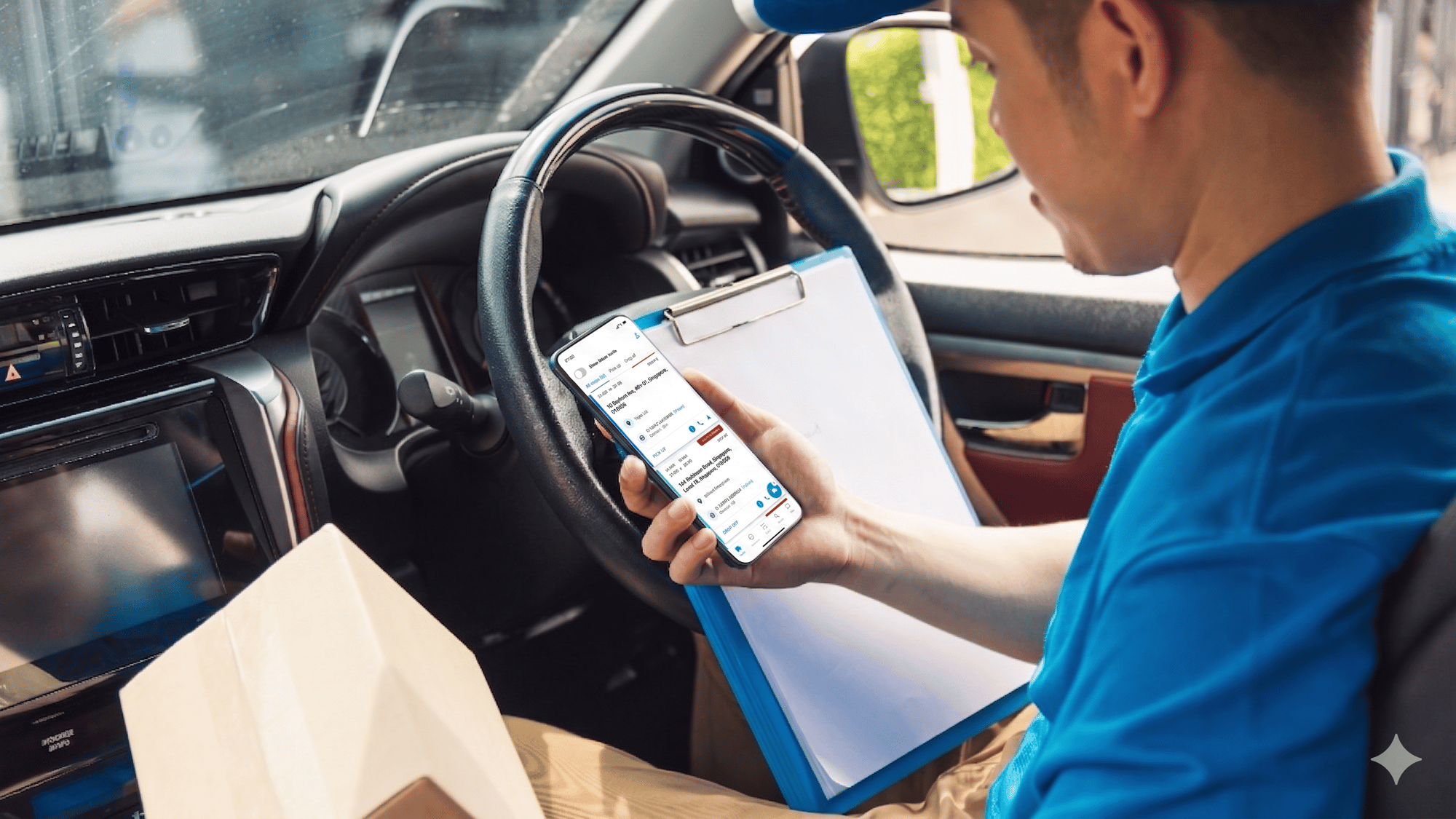
The TCMS driver app goes to every outsourced driver at no additional cost to them. They get access to a world-class TMS that gives real-time updates and visibility, not just to the company, but to their own operation as well.
Live in Days, Not Months
Ease of adoption mattered just as much as cost. TCMS uses a simple one-time password set-up for drivers, and the driver app itself is straightforward to use, with training videos available. The TCMS portal is built for allocators, with a strong but simple workflow tool that can be customised to suit the user. Splitting between own drivers and outsourced jobs is simple too.
The Ripple Effect
Whilst the visibility benefits of TCMS were the major driver in this story, what also came to light were the other benefits that flowed from putting TCMS in place.
A paper-based proof of delivery has to travel back to the office, get scanned, and get filed before anyone can even think about raising an invoice or a payment to an outsourced partner. TCMS closes this gap with sign-on-glass PODs landing back the second the driver taps the screen.
Whether the job was completed by an in-house driver or one of the 100+ outsourced partners, the record looks the same and lands in the same place. That single source of data across the whole network is what lets proof of delivery and invoicing move at the same speed, rather than one waiting on the other. It also means outsourced partners get paid faster and with far fewer billing disputes, which matters as much to keeping a partner network loyal as any rate card does.
None of this asked outsourced partners to change how they run their own business. It asked them to open an app that cost them nothing and become an extension of the company. That's a genuine partnership.
What Changed
With every movement, owned or outsourced, landing in the same platform, the company gained a single view across a network that had previously been split into two: one half well understood, one half largely invisible.
weekly time the ops team spent chasing status updates from outsourced partners, cut by moving reporting into the TCMS app
weekly time the customer service team spent dealing with customers or the ops team finding out where a consignment was
time between a delivery happening and proof of delivery being ready to raise a customer invoice or approve a partner's cost invoice
reduction in transport admin costs, driven by fewer billing disputes and no manual reconciliation between partner reports and internal systems
increase in in-house driver productivity, once workload was balanced by data instead of habit
None of this changed how the company used its own systems. What changed was the piece that used to sit outside all of it: the actual movement of freight, wherever it happened and whoever was driving.
See what TCMS could do for your transport network
This company brought 35 in-house drivers and 100+ outsourced partners onto one platform, closing a visibility gap that used to cost hours every week. If your first and last mile still runs on phone calls and spreadsheets, let's talk about what that would look like on your network.